
Release TerrariumPI v 4.12.0

Submitted by
theyosh
on
Release 4.12.0 - Just a new release
This new release is not a big release. It has some bugfixes and logging improvements. One new improvement is that we now support Sonoff D1 Dimmer in DIY mode.
 It has been 10 years now when this project started. It started all
to learn a new programming language Python, and as a lazy programmer does, to
automate stuff.
It has been 10 years now when this project started. It started all
to learn a new programming language Python, and as a lazy programmer does, to
automate stuff.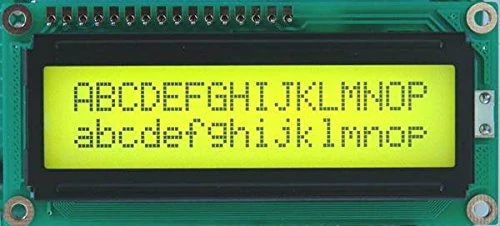 In this
update, the big changes are in the notification system. The biggest change is
the Display code and logic. The code has been completely rewritten, and works
much better now.
In this
update, the big changes are in the notification system. The biggest change is
the Display code and logic. The code has been completely rewritten, and works
much better now.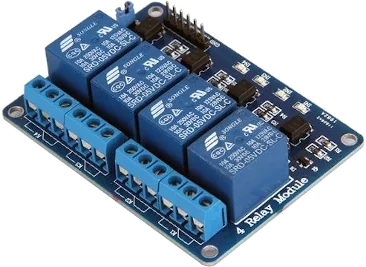 In this
release we have changed the
In this
release we have changed the  The Docker
builds where broken and should now be fixed again. That is all.
The Docker
builds where broken and should now be fixed again. That is all. The
The
 When
TerrariumPI is running for a couple or years, you will get a lot of relay data
which it used for the total power and water usage. After 7 years, it took about
15 seconds each time it was calculated. Which is half the time of the engine run
time.
When
TerrariumPI is running for a couple or years, you will get a lot of relay data
which it used for the total power and water usage. After 7 years, it took about
15 seconds each time it was calculated. Which is half the time of the engine run
time.